Why won't Myntra or Meesho just copy this?
They can copy features, not the data. Our Confidence Engine learns from every selfie, try-on, purchase and return which styles and colours actually suit which skin tones and body types. Big marketplaces are built around a catalogue grid and ad-funded discovery; rebuilding around a personal stylist and a creator sales force means changing how they make money today. We start where they are weakest: small designers, ethnic and occasion wear, and COD shoppers.
How exactly do you cut returns (RTO)?
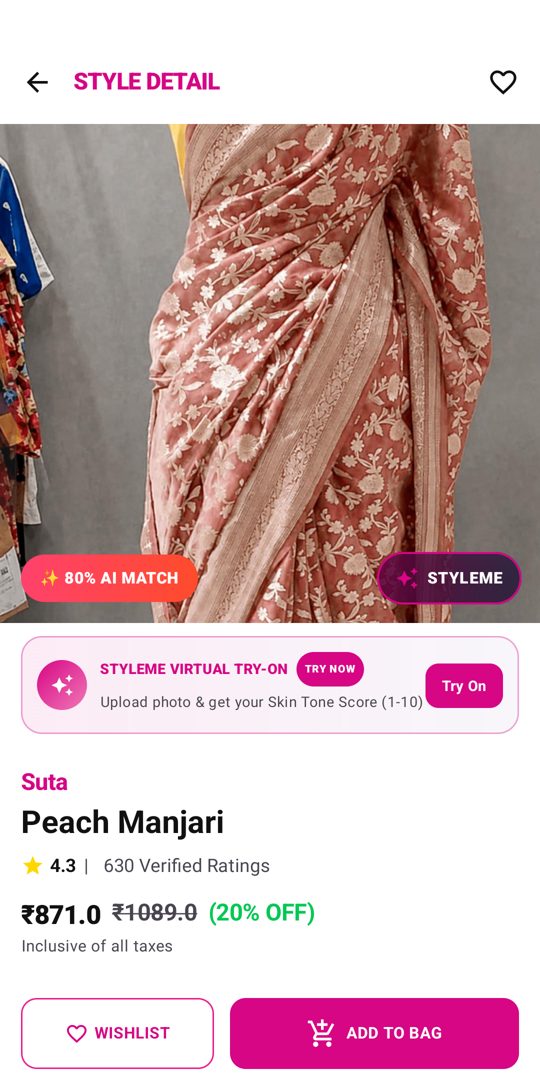
Most fashion returns come down to "it didn't suit me" or "it didn't fit". Before checkout, Flynker reads the shopper's selfie for skin tone and undertone, matches colours against a fixed reference scale, and shows the outfit styled on real creators. A shopper who is confident before paying is far less likely to refuse the parcel at the door. Measuring this reduction is the first milestone of the round.
How do you get customers without burning money on ads?
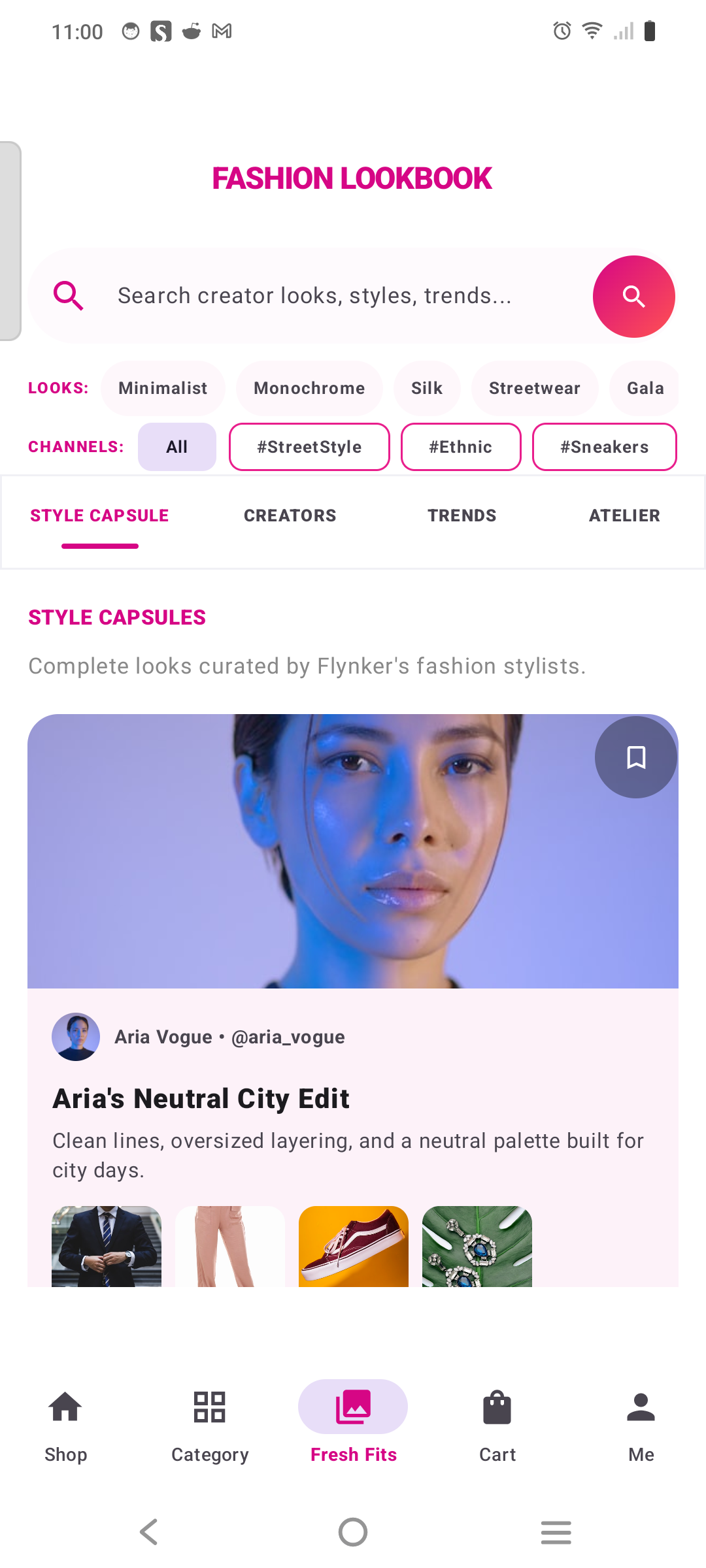
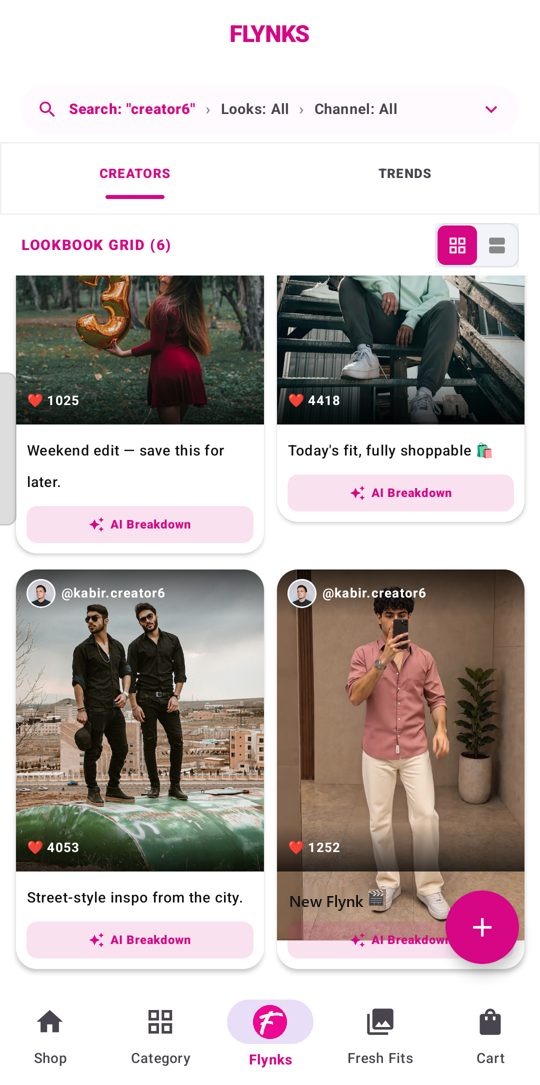
Creators are our sales force. They build shoppable Style Capsules, share them, and earn a commission only after the order is delivered, so we pay for results, not for clicks. On top of that, SEO, Google Shopping and community channels bring repeat shoppers back for free. Paid ads are a top-up, not the engine.
Why would brands and designers join a new marketplace?
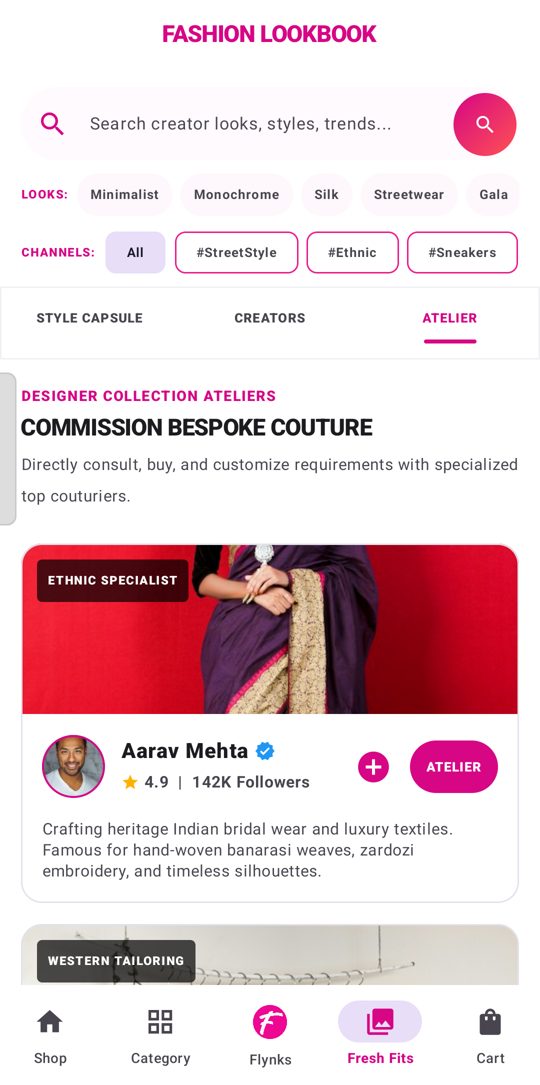
Because we fix the two costs that hurt them most: ads to find customers and returns that come back. Brands get a creator sales force and fit-confident shoppers in one place, plus a simple app to manage stock and orders. In Phase 1 we onboard designers and weavers from the Telangana and Andhra handloom clusters, with a target of 120+ brands across women's and men's wear.
How does Flynker make money?
A commission on every order from day one. Then sponsored listings and creator collaboration fees in year 1, shopper and designer subscriptions in year 2, and native ads in year 3. Brands hold the stock, so the model is asset-light.
Is the product real, or a mock-up?
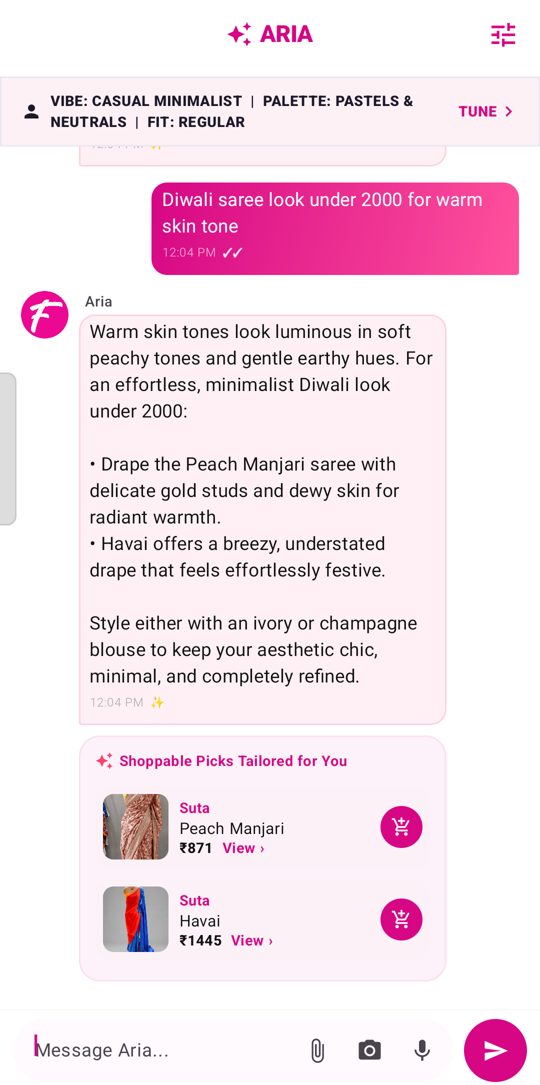
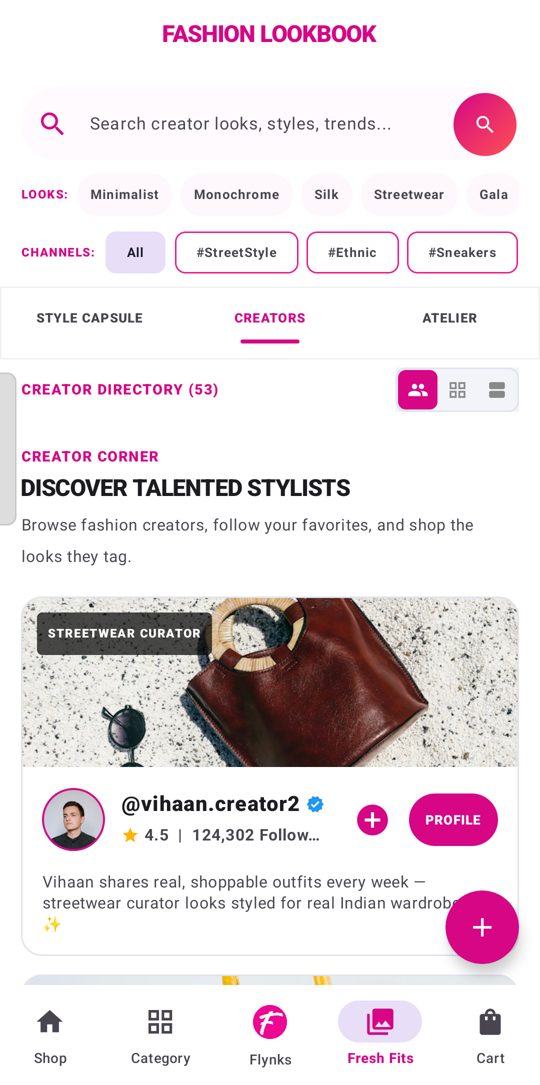
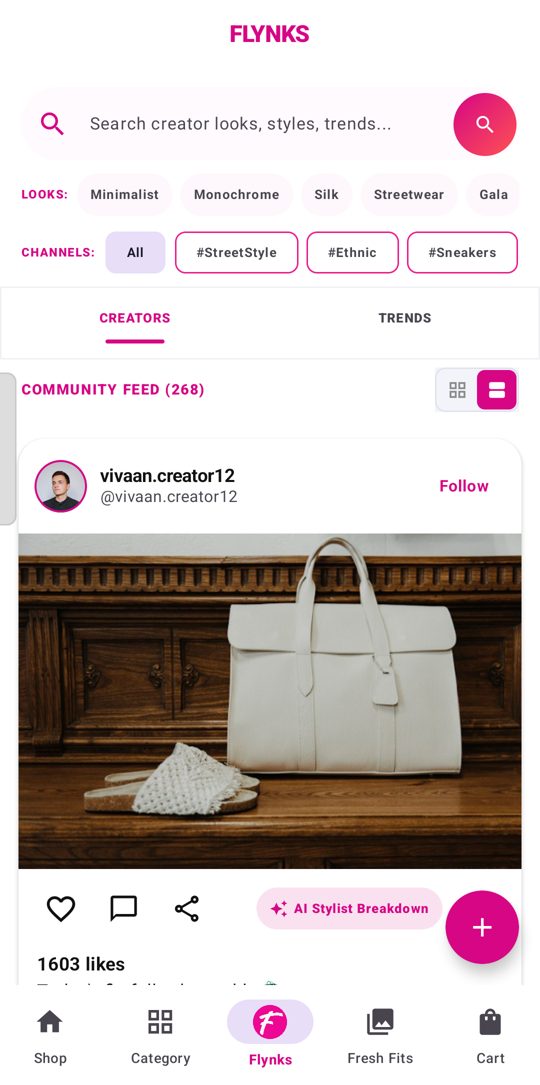
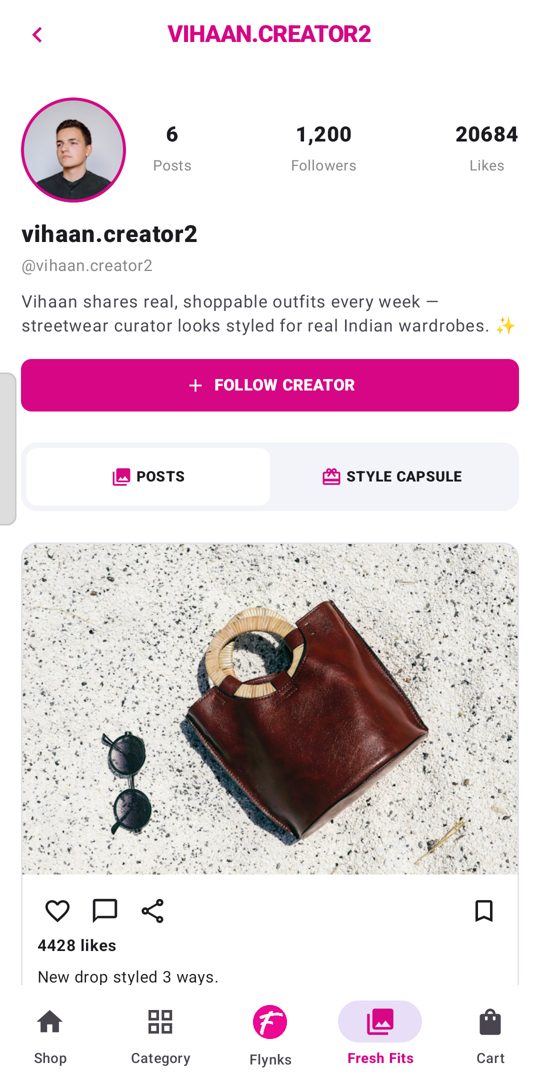
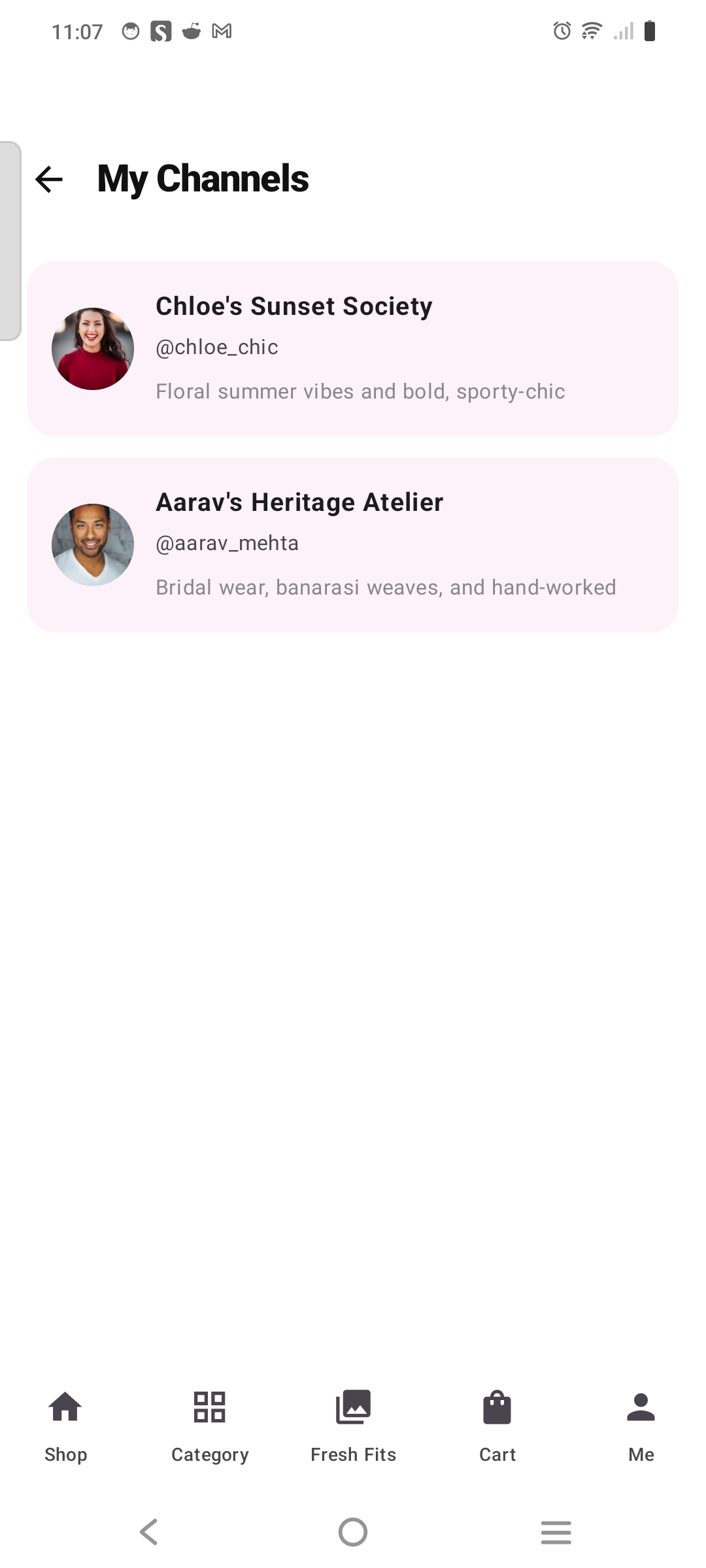
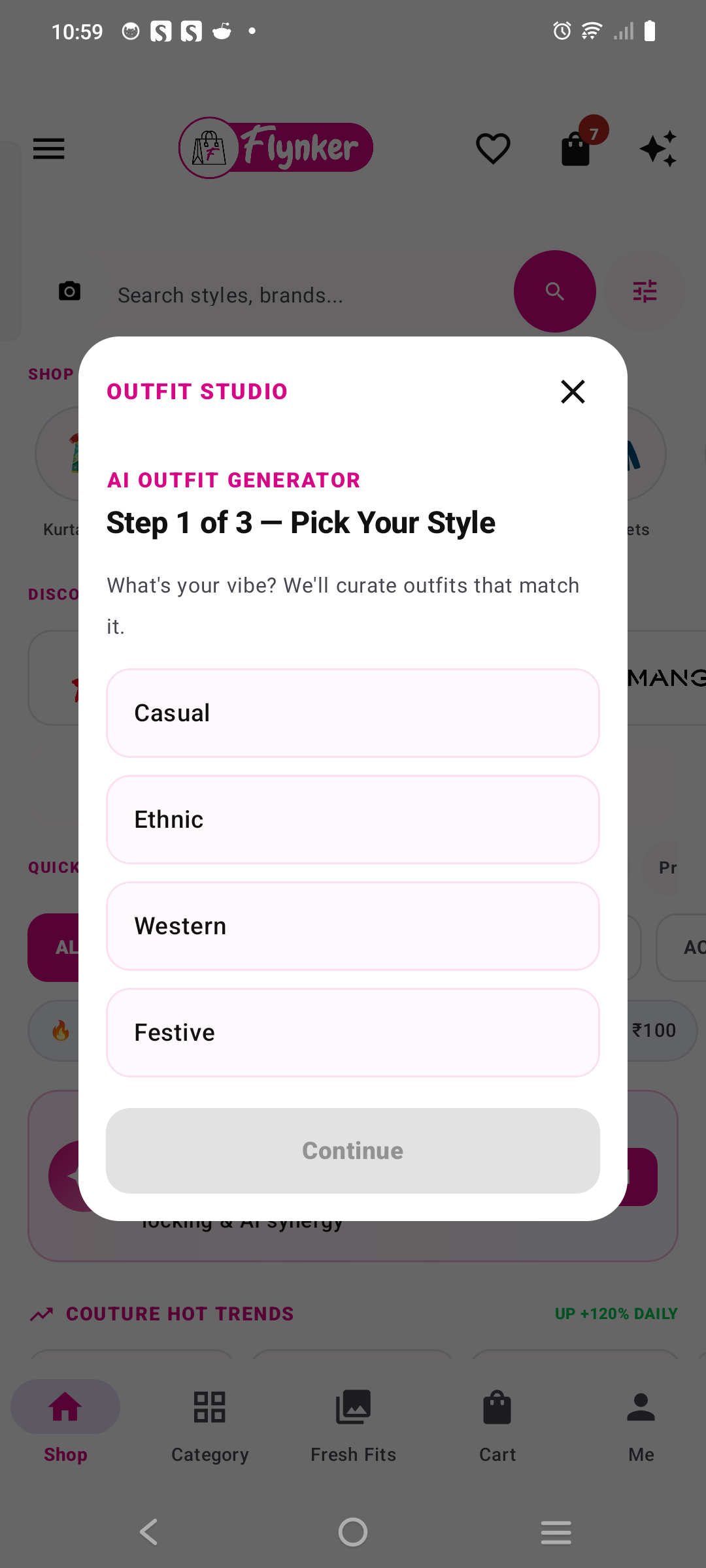
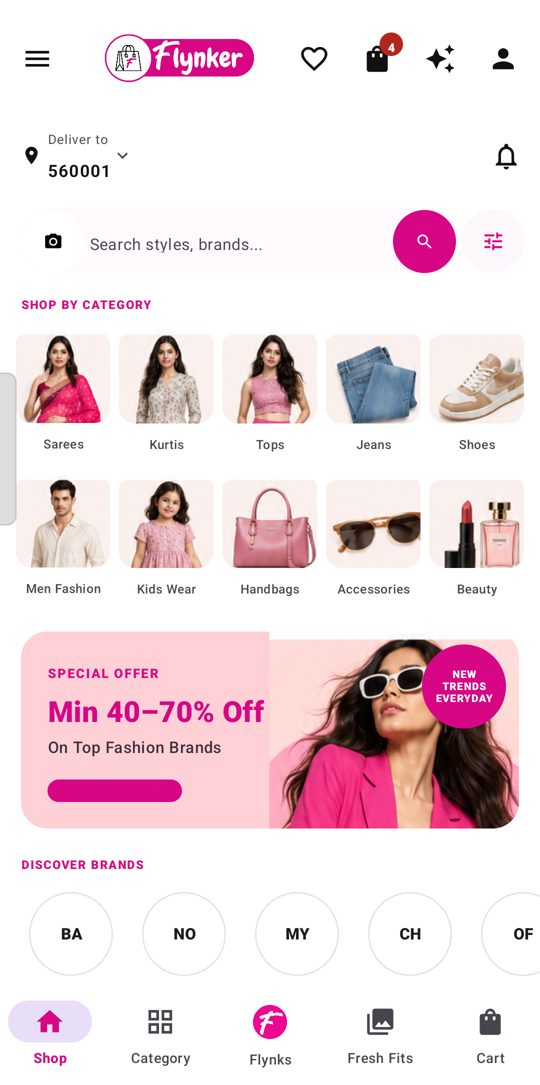
Real. The four apps run on a live backend: place an order in the shopper app and it appears in the brand and creator apps within seconds, and commissions are credited only when the order is marked delivered. The AI stylist and skin-tone analysis run on Google's Gemini models. For demos we use sample brands and creators; they are test data, not signed partners. Our own store, flynker.com, is fully live.
Isn't the AI expensive to run?
No. Reading a selfie or styling a look with today's multimodal models costs a fraction of a rupee per request, small next to the cost of one returned parcel. As volume grows we can cache results and move frequent tasks to smaller models.
Why start with Indian ethnic wear and COD?
It has the hardest economics and the richest craft. COD return rates are high, which makes the pain obvious and our impact measurable. If personalisation works there, it works anywhere. Indian ethnic and occasion wear also has buyers worldwide, which is our path to global after India.
What will ₹1.5 Cr achieve?
18 months of runway to launch all four apps, onboard 120+ brands and the first creator cohorts, and prove with data that the flywheel lowers returns and marketing cost. Split: 40% product and AI, 30% designer and creator acquisition, 20% team, 10% operations, legal and buffer. Those milestones make Flynker seed-ready.
What are the biggest risks, and how do you handle them?
Three: creators not joining, brands not listing, and the RTO reduction being smaller than we expect. We handle them by paying creators only on delivery (no cash burned on creators who don't sell), starting with handloom clusters we can reach in person, and testing every change on our own live store before scaling it. We share real numbers in monthly investor updates, good or bad.